
Living in a compact apartment usually means making peace with compromises. You learn to dry laundry on collapsible racks, you store roasting pans inside the oven, and you evaluate every square foot of counter space like an urban planner. For years, food scrap diversion felt like a luxury reserved for people with backyards, green bins, and outdoor compost tumblers. Discarded broccoli stems, onion skins, and coffee grounds were simply destined for a plastic trash bag under the sink, bound for a landfill where they produce methane under tons of compacted debris.
Indoor composting changes that dynamic, but only if the system fits into tight domestic quarters without breeding flies or driving roommates out of the room. Two self-contained approaches work well inside apartments: anaerobic fermentation using bokashi bran, and vermicomposting using domesticated red wiggler worms. Both methods turn kitchen scraps into plant food, yet their biology, spatial demands, and maintenance rhythms are entirely distinct. Selecting the right one comes down to what you eat, how much space you can spare, and what you plan to do with the finished material.
Core Differences in Biological Breakdown
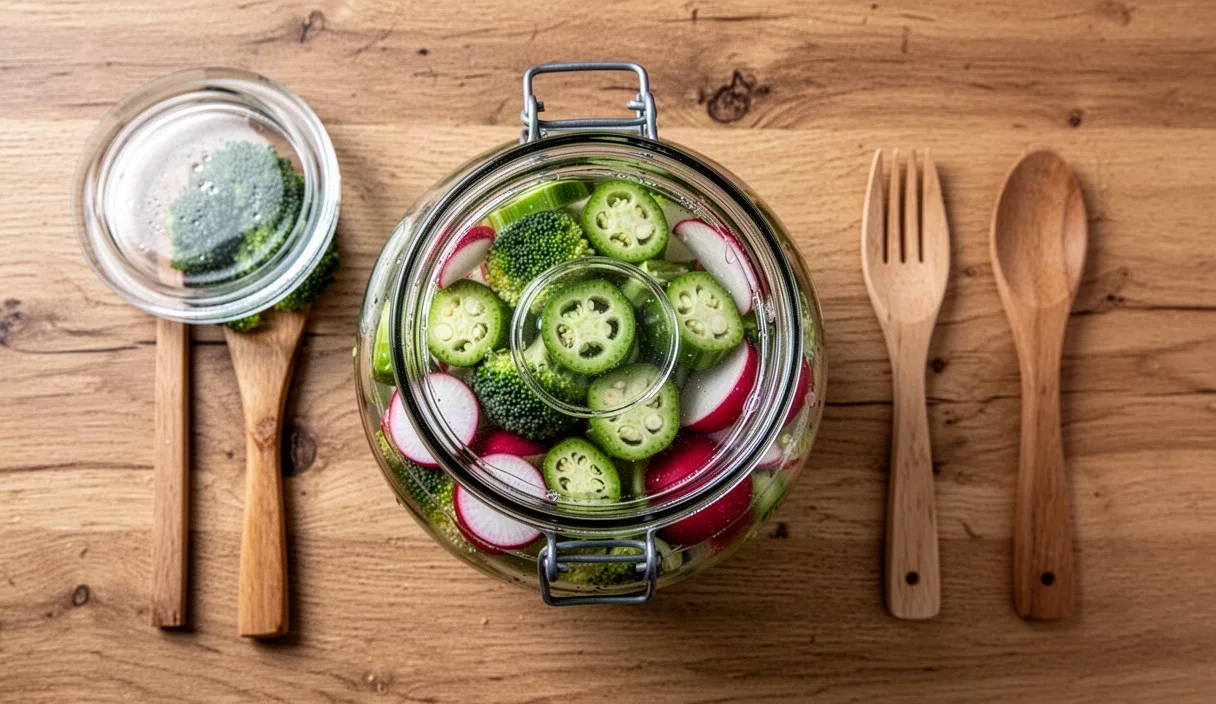
The defining difference between bokashi and vermicomposting is the presence of oxygen. Bokashi is an anaerobic fermentation process adapted from traditional Japanese agricultural practices. You place kitchen scraps in an airtight container, sprinkle them with an inoculant bran coated with beneficial microorganisms, and press out the air. These microbes, predominantly lactic acid bacteria, yeasts, and photosynthetic bacteria, drop the internal pH below 4.0. The food does not rot or break down into dark humus while inside the bucket. Instead, it pickles. The cell walls soften and the material ferments, preserving nutrients while inhibiting the pathogens that cause putrefaction.
Vermicomposting is an aerobic digestive system powered by red wiggler earthworms (Eisenia fetida) working alongside oxygen-dependent bacteria, fungi, and protozoa. Red wigglers live in moist carbon bedding, such as shredded cardboard or aged coco coir. As food scraps soften, the worms consume decaying plant tissues and the microscopic organisms coating them. Their digestive tracts process this mixture, depositing dark, crumbly aggregates known as worm castings. Unlike bokashi, vermicomposting is true decomposition: carrot peels and coffee grounds disappear completely, transformed into biologically active humus ready for immediate potting use.
| Feature | Bokashi Fermentation | Worm Bin Vermicomposting |
|---|---|---|
| Biological mechanism | Anaerobic lactic fermentation | Aerobic digestion and decomposition |
| Primary organisms | Lactobacillus, yeasts, actinomycetes | Eisenia fetida, aerobic bacteria |
| Internal pH | Acidic (3.5 to 4.2) | Near neutral (6.5 to 7.5) |
| Carbon bedding needed | None (uses microbial bran) | Substantial (shredded paper, cardboard) |
| End product state | Fermented, recognizable solids plus acidic liquid | Soil-like castings plus moisture runoff |
Because bokashi relies on fermentation rather than digestion, temperature variations inside a heated apartment rarely interrupt the process. The microbes work steadily between 55 and 85 degrees Fahrenheit. Worm bins are more sensitive living systems. Red wigglers thrive between 60 and 77 degrees Fahrenheit; temperatures above 85 degrees can kill an entire colony within hours, while temperatures below 50 degrees slow their feeding rate to a crawl. A worm bin functions as a small livestock habitat, whereas a bokashi container functions as a sealed pantry project.
Space and Odor Considerations Indoors
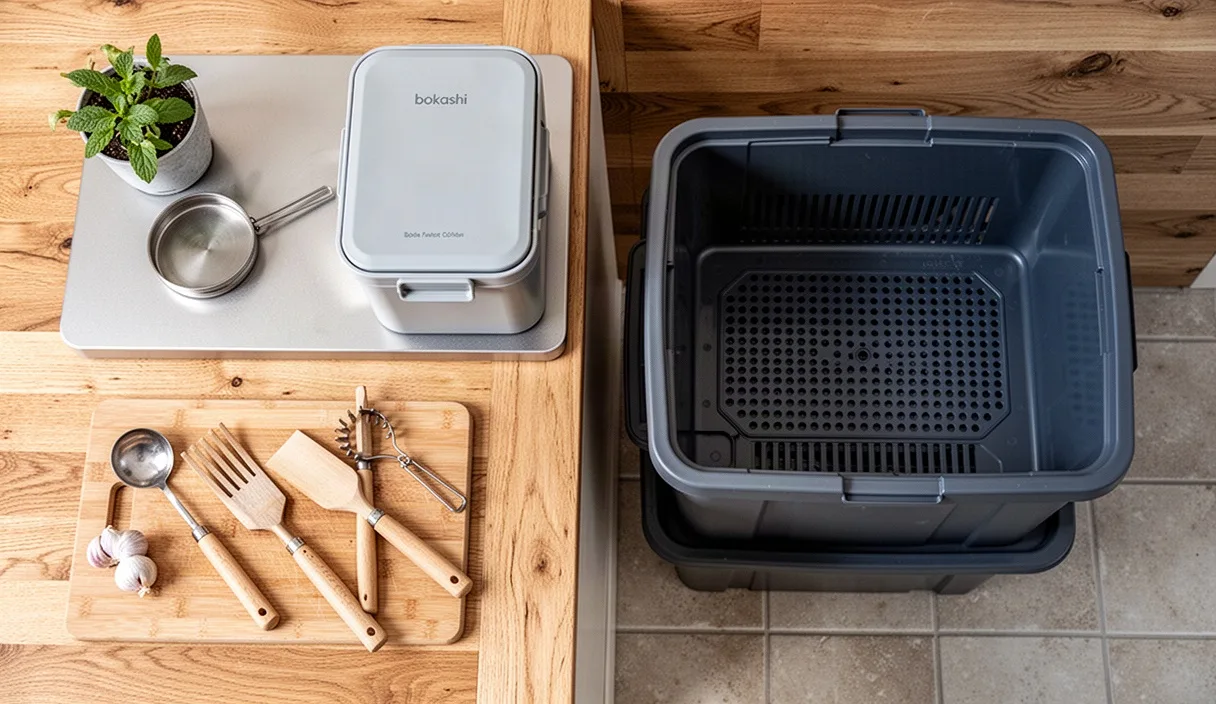
Floor space is premium currency in a studio or one-bedroom apartment. A standard bokashi setup takes up very little of it. Most commercial buckets hold around 5 gallons and stand roughly 16 to 19 inches tall, with a footprint of about 12 by 12 inches. Because the process is strictly anaerobic, the lid must remain clamped tight between feedings. A properly managed bokashi bucket can sit under a standard kitchen sink, in the bottom of a pantry, or even on a deep countertop corner without demanding architectural adjustments.
Worm bins require more surface area than vertical height. Red wigglers are surface feeders that rarely burrow deeper than 8 to 10 inches. A functional worm bin for a single-person or two-person household typically occupies a footprint of at least 16 by 20 inches, standing 12 to 15 inches tall. Multi-tray upward-migration systems allow for vertical expansion, but they still require stable floor or shelf space away from direct sunlight and radiators. A utility closet, a quiet corner of a laundry nook, or a shaded spot beside a bookshelf are common indoor resting places.
Odor profiles differ dramatically between the two methods, and both can fail if mismanaged:
- Healthy bokashi: Smells distinctly like pickled vegetables, cider vinegar, or mild sourdough. You should only smell it during the 30 seconds the lid is open for loading. If it smells like rotten eggs or sewer gas, the fermentation has failed.
- Healthy vermicomposting: Smells like damp forest earth after spring rain. If you bury food properly under a thick layer of carbon bedding, the bin produces no detectable scent into the room.
- Disturbed bokashi: If air enters the bucket through a worn seal, foul-smelling putrefactive bacteria overtake the lactic acid cultures.
- Disturbed vermicomposting: If overfed or waterlogged, the bedding turns anaerobic, producing a sharp, sour ammonia odor that signals distress in the worm population.
For individuals who dislike acidic or pickled scents, opening a bokashi bucket every evening can feel unpleasant, even when the fermentation is technically sound. For those who feel uncomfortable sharing their living space with several thousand wriggling invertebrates, the worm bin presents a psychological hurdle that vinegar odors never will.
Acceptable Foods and Daily Scrap Limits
What you cook determines which system makes sense. Bokashi is far more forgiving of dietary variety because the acidic, sealed environment preserves scraps rather than digesting them alive. You can safely add cheese rinds, cooked pasta coated in olive oil, small chicken bones, plate scrapings, citrus peels, and raw onions. The bacteria ferment these challenging scraps without attracting vermin, provided everything is cut into two-inch pieces and coated thoroughly with inoculant bran.
Worms are considerably more conservative diners. Because red wigglers breathe through their moist skin, foods with harsh chemical profiles or heavy salinity irritate their bodies. Citrus peels contain d-limonene, an insecticidal compound that harms worms in concentrated quantities. Onions, garlic, and hot peppers release pungent volatile oils that drive worms to the edges of the bin. Dairy products, meats, and greasy sauces must be avoided; they coat the bedding, turn rancid, and invite anaerobic bacteria long before the worms can process them.
| Food Item | Bokashi Bucket | Worm Bin |
|---|---|---|
| Citrus rinds and onion skins | Accepted without issue | Strictly limited or avoided |
| Meat, poultry bones, seafood scraps | Accepted in modest layers | Never; causes rot and odors |
| Oils, dressings, cooked leftovers | Accepted in moderation | Never; coats worm skin and bedding |
| Coffee grounds and tea leaves | Accepted | Accepted and highly preferred |
| Fruit cores and soft greens | Accepted | Accepted and digested rapidly |
| Bread crusts and grains | Accepted | Accepted in tiny portions (can mold) |
Input volume follows strict rules in vermicomposting. A newly established bin holding one pound of red wigglers (approximately 800 to 1,000 worms) can process roughly one-third to one-half pound of chopped food scraps per day under optimal conditions. Overfeeding is the quickest way to kill a worm bin. In contrast, a 5-gallon bokashi bucket does not care about daily limits. You can deposit two cups of vegetable scraps on Tuesday, dump three whole plates of leftover curry on Wednesday, and add nothing for the rest of the week. As long as you add proportional bokashi bran and compact the mass to eliminate oxygen pockets, the system remains stable.
Harvesting Liquid and Finished Material
Managing indoor composting means managing outputs. Both systems yield liquid and solid amendments, but their timelines and end uses differ significantly.
Bokashi Liquid and Pre-Compost
Bokashi produces a pungent liquid, often called bokashi tea, that gathers in the base of the bucket below a perforated strainer. You must draw off this liquid every two or three days through a spigot. The tea is rich in microbes and organic acids, registering a pH between 3.5 and 4.0. Because of this acidity, you cannot pour raw bokashi tea directly onto indoor houseplants. It must be diluted heavily: roughly one teaspoon of liquid per quart of clean tap water (a 1:200 ratio) before watering container plants. Undiluted bokashi tea can also be poured directly down kitchen sink drains, where its active microbes help clean biological slime from plumbing traps.
When the 5-gallon bokashi bucket fills completely, you seal it for two weeks to complete fermentation. At that point, you face the central logistical reality of the bokashi method: the fermented scraps are not finished compost. They still look like whole food scraps, just pickled and slightly faded. To convert this acidic material into soil, it must undergo an aerobic breakdown phase. In an apartment, you have two options:
- The Soil Factory method: Pour two inches of commercial potting soil into an ordinary plastic storage tote. Empty the fermented bokashi contents into the tote, chop through them with a trowel, and mix them thoroughly with the soil in roughly equal measures. Cover the mixture with another two-inch layer of dry soil, then secure the lid loosely. Within two to four weeks, the acidic odors dissipate, soil microbes consume the fermented mass, and the mix transforms into dark potting soil.
- External drop-off: Transfer the fermented contents directly to an outdoor community garden compost pile, a neighbor's raised bed, or a municipal compost drop-off site where the material can be buried under four inches of soil.
Worm Castings and Leachate
Worm bins operate on a longer, more gradual harvest cycle. Every three to six months, the bottom tray of an upward-migration bin or the aged side of a single tote fills with finished worm castings: rich, uniform, nearly black aggregate that looks like ground coffee. You harvest castings by separating the worms through light-migration techniques or by shifting unfinished food to one side of the bin. These castings can be scooped directly into indoor plant pots, added to potting mixes, or steeped in non-chlorinated water to make gentle liquid plant tonic.
Some worm bins produce a small amount of drainage moisture. True worm compost tea is made by deliberately brewing harvested castings in aerated water with molasses. The unprompted liquid draining from the bottom of an indoor worm bin is technically leachate. If the bin is balanced with adequate dry bedding, leachate should be minimal or non-existent. A worm bin producing large amounts of runoff is usually too wet, indicating that the bedding needs more shredded cardboard to prevent anaerobic conditions.
Troubleshooting Fruit Flies and Ferment Odors
Nothing ends an indoor composting experiment faster than a cloud of fruit flies hovering above the kitchen island. Fruit flies (Drosophila melanogaster) and fungus gnats (Sciaridae) enter apartments on grocery store produce skins and multiply if moist organic waste is exposed to open air.
In a bokashi system, fruit flies are rare because the lid stays sealed tightly. When they do appear, it means the bucket lid was left off too long during loading, or the rubber gasket has deteriorated. If you open a bokashi bucket and see white, fuzzy mycelium across the top surface, do not panic. White mold (usually Pichia yeast or actinomycetes) indicates successful fermentation. However, if the surface shows blue, black, or dark green fuzzy growth, alongside an unmistakable stench of rotting sewage, the batch has spoiled. This happens when too little bran was added, the food was too wet, or air leaked inside. Spoiled bokashi cannot be salvaged; empty it into an outdoor waste bin, wash the container thoroughly with warm soapy water, and start fresh.
Worm bins present a higher risk of pest infestations because they require air holes for ventilation. To maintain a pest-free worm bin in a small home, apply these operational rules:
- Pocket feed under bedding: Never leave fresh banana peels or melon rinds resting on top of the bin. Pull back the carbon bedding, deposit the scraps in a small pocket, and cover them with at least two inches of damp, shredded paper or cardboard.
- Use a damp moisture barrier: Place a folded sheet of unbleached cardboard or a damp burlap square directly over the top of the bedding. This blocks flying insects from reaching fresh food while holding humidity in the worm zone.
- Freeze raw scraps: Keep a sealed container in your apartment freezer for scrap collection. Freezing food destroys fruit fly eggs that hitchhike on banana peels and apple stems, while bursting the food's plant cell walls so red wigglers can consume it faster once thawed.
- Balance moisture with shredded newsprint: If the bin smells sour or sharp, gently turn the bedding with a hand fork, mix in two generous handfuls of dry shredded cardboard, and pause feedings for seven days. Worms can survive weeks eating only their carbon bedding.
Common Mistakes
Indoor systems fail when owners treat them like standard plastic trash cans. In bokashi setups, the most frequent error is failing to press the scraps flat. Microbes need intimate contact with the inoculant, and trapped pockets of ambient air invite rot. Use an old flat plate, a potato masher, or a plastic lid to press each addition down firmly into the bucket. The second error is ignoring the drain spigot; accumulating liquid drowns the bottom layer, turning the preserved mass into a foul sludge.
In worm bins, the most frequent error is overfeeding out of enthusiasm. A healthy colony works slowly. Adding three pounds of food scraps to a bin with one pound of worms leads to decaying excess that warms the bin uncomfortably and produces an unbearable stench. The second mistake is starving the bin of dry carbon. Red wigglers require roughly seventy percent carbon materials to thirty percent nitrogen food scraps by volume. For every handful of food you add, tuck in an equal handful of dry, torn corrugated cardboard.
Practical Next Steps
To choose your indoor system, assess your weekly kitchen waste and your post-composting plan. If you prepare whole cuts of meat, cook elaborate meals with lots of garlic and citrus, or produce more than five pounds of scraps weekly, bokashi is the practical choice. It processes broad food categories instantly and fits neatly in an under-sink cabinet. However, you must have a plan for the fermented output: either an indoor soil factory tote, access to an outdoor garden plot, or a local community drop-off station.
If you primarily eat plant-based foods, generate modest scrap volumes, and want finished, pathogen-free potting soil ready to feed your fiddle-leaf figs and balcony herbs without secondary processing, invest in a multi-tray worm bin. Purchase one pound of red wigglers from a reputable regional worm farm, shred three clean cardboard delivery boxes into half-inch strips, moisten the paper until it feels like a wrung-out sponge, and prepare a dark, stable home under your pantry shelf. Both systems prove that urban spaces can divert organic waste effectively without sacrificing indoor comfort.